Outing
The Tour Carbonnière and the marshes
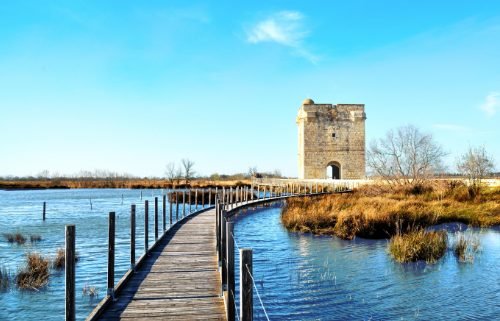
In the middle of the marshes, between Aigues-Mortes and Saint-Laurent-d'Aigouze, a square tower stands alone by the roadside: this is the Tour Carbonnière. Less famous than the ramparts of Aigues-Mortes, it is well worth a stop. Its history, its architecture and above all the view from the top make it one of the finest viewpoints over the Petite Camargue. Here is everything you need to know to visit it and fit it into your day.
A gateway to Aigues-Mortes
In the Middle Ages, Aigues-Mortes was surrounded by marshes, lagoons and flooded land. Only one road led to the town over land: a raised causeway across the marshes. To control it, the Tour Carbonnière was built in the 13th and 14th centuries. Travellers, merchants and pilgrims had to pass under its vault, where a toll was collected. It was, in a way, the outer gate of Saint Louis's city.
A small garrison lived permanently in the tower. The soldiers watched over the road and the marshes and could warn the town in case of danger. The tower had portcullises, solid doors and arrow slits for defence.
The architecture of the tower
The Tour Carbonnière is a massive, square stone tower. A vaulted passage runs through it, which the road used to follow. A staircase leads to the upper floors and the terrace. Its thick walls and narrow openings show its military role. It has been restored and is now a listed historic monument.
What you can see today
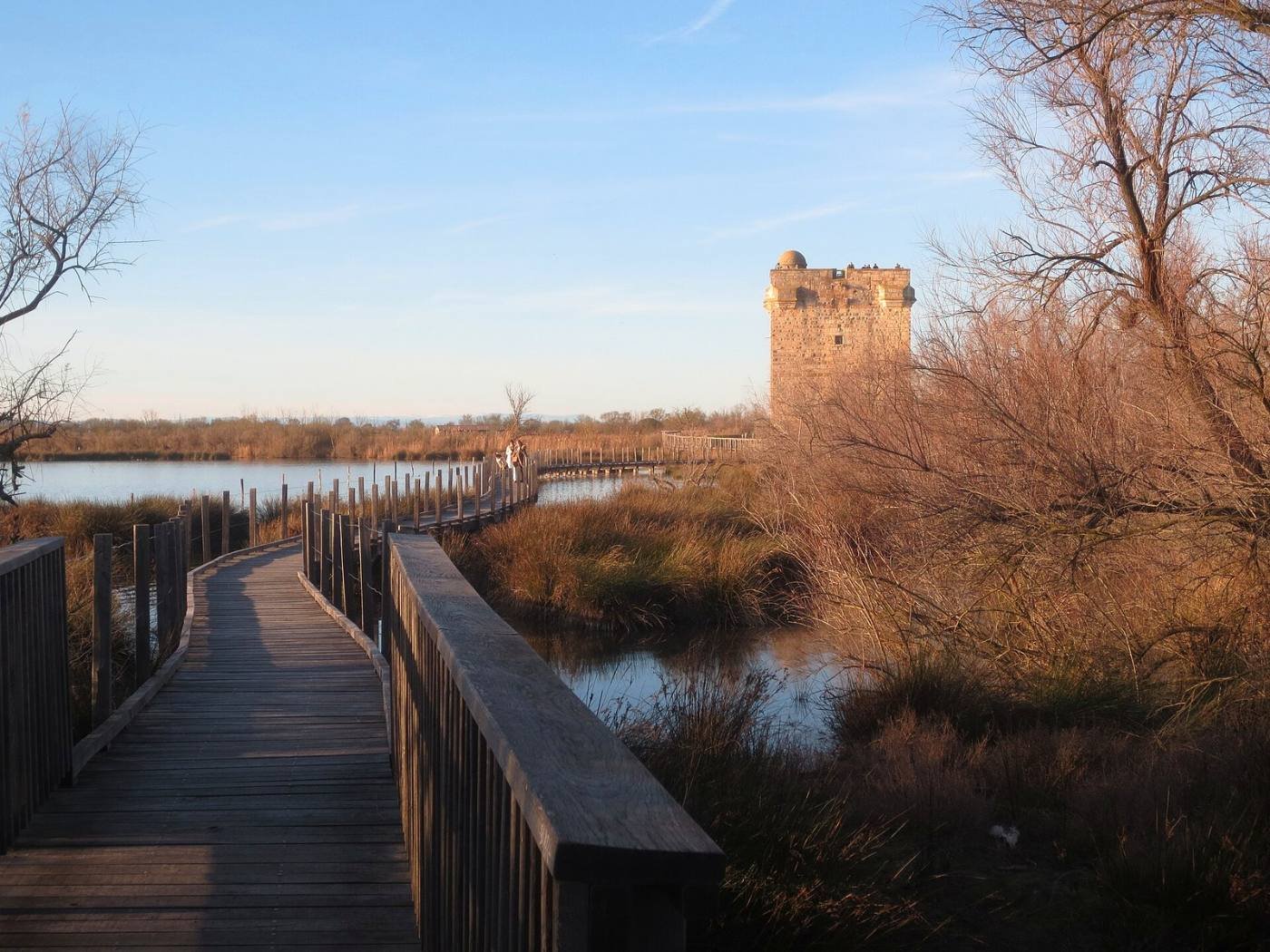
From the top of the tower, the view opens onto a typical Petite Camargue landscape: lagoons as far as the eye can see, reed beds, salt meadows, canals and, in the distance, the ramparts of Aigues-Mortes. On a clear day you can see the salt marshes and even the sea. It is one of the best places to understand the geography of the area.
In spring and autumn, you will often spot birds: herons, egrets, marsh harriers, ducks and, very often, flamingos in the nearby lagoons. Photographers will find superb subjects, especially at sunrise and sunset.
The birds of the marshes
The marshes around the tower are rich in birdlife. The flamingo is the most famous: it feeds in the shallow water of the lagoons. The grey heron waits for fish, motionless at the water's edge. The little egret, all white, is easy to recognise. The marsh harrier flies over the reed beds looking for prey. In spring and autumn, many migratory birds stop over in the region. Bring binoculars to make the most of it.
Visiting tips
- Bring water and a hat in summer, it gets very hot at the top.
- Bring mosquito repellent at the end of the day.
- Take binoculars to watch the birds.
- Check the opening times of the terrace, which change with the seasons.
- Be careful on the narrow staircase with young children.
How long to allow?
The visit is quick: allow between thirty minutes and an hour, depending on how long you spend admiring the view. It is an ideal stop to combine with other visits during the day.
Combine it with Aigues-Mortes
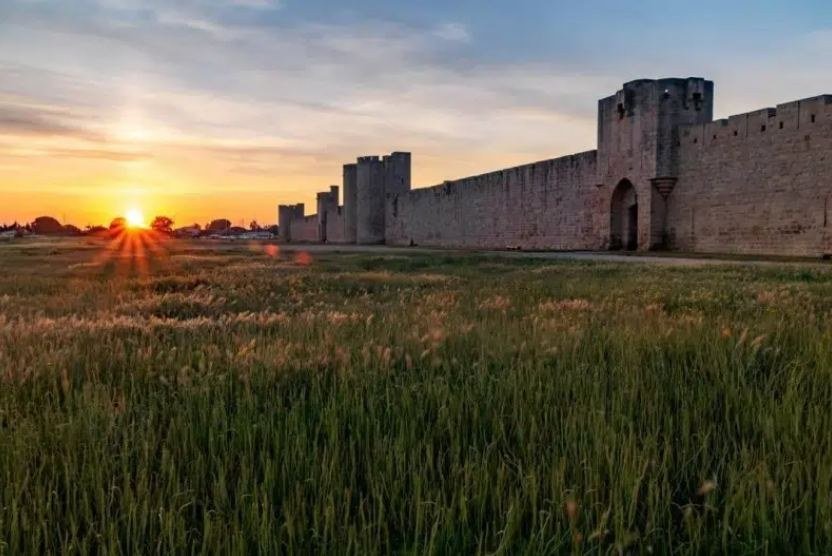
The visit combines very well with Aigues-Mortes, a few minutes' drive away. In the morning, the ramparts and the old town. In the afternoon, the salt marshes. At the end of the day, the Tour Carbonnière at sunset, when the golden light glows over the marshes. You can also pair it with the village of Saint-Laurent-d'Aigouze, with its bullring backing onto the church, and a visit to a bull ranch.
The best season
Spring and autumn are the best seasons: the weather is mild, there are plenty of birds and fewer mosquitoes. In summer, come early in the morning or late in the day. In winter, the air is often very clear and the view stretches far, sometimes as far as the Cévennes.
Why people rarely stop
Many holidaymakers drive past the Tour Carbonnière without stopping, because there is little room to park by the road or because they are short of time. That is a shame: a few minutes are enough to enjoy one of the finest panoramas in the Camargue.
A stop for cyclists
The tower is also a popular stop for cyclists touring the Petite Camargue. The land is flat, but watch out for the wind and the traffic on the road.
Saint Louis, the crusades and the birth of Aigues-Mortes
To understand the Tour Carbonnière, you have to go back to the 13th century. At that time, the kingdom of France had no port on the Mediterranean. King Louis IX, the future Saint Louis, wanted to go on crusade and needed a place to set sail from his own lands. He acquired the marshes where Aigues-Mortes stands and had a port and a town built there. It was from here that he set sail for the seventh crusade in 1248, and then for the eighth in 1270, during which he died outside Tunis.
The town, isolated among marshes and lagoons, could only be reached by land along a few tracks. These had to be protected. The Tour Carbonnière was built to control the main access road from the north, the one linking Aigues-Mortes with the inland areas. It thus became the town's true land gateway.
A toll in the Middle Ages
The tower did not only defend the road: it also made it possible to control goods and collect a toll. Travellers, merchants and convoys had to pass through the vaulted passage beneath the tower, where a garrison kept watch. Salt, produced in abundance in the nearby salt marshes, was among the valuable goods that travelled along this road. This role as a toll and guard post explains the tower's strategic position, in the middle of a flat landscape where you can see people coming from a long way off.
Comparing it with the Tour de Constance
In Aigues-Mortes, the Tour de Constance is the most famous of the fortifications. Massive and round, it served as a keep and then as a prison, notably for Protestant women held there for many years in the 18th century. The Tour Carbonnière is more modest and square, but it shares with its big sister the history of the town's defence. Visiting both helps you understand the defensive system set up around Aigues-Mortes: the fortified town in the centre, and outposts to control access to it.
Legends of the marshes
Like many isolated places, the Camargue marshes have inspired many stories. It is said that the morning mists once hid smugglers trying to avoid the toll, and that the marshes could swallow up careless travellers who left the road. These tales, passed down from generation to generation, remind us how difficult it once was to cross these lands, and how precious the road guarded by the tower was.
Saint-Laurent-d'Aigouze, the neighbouring village
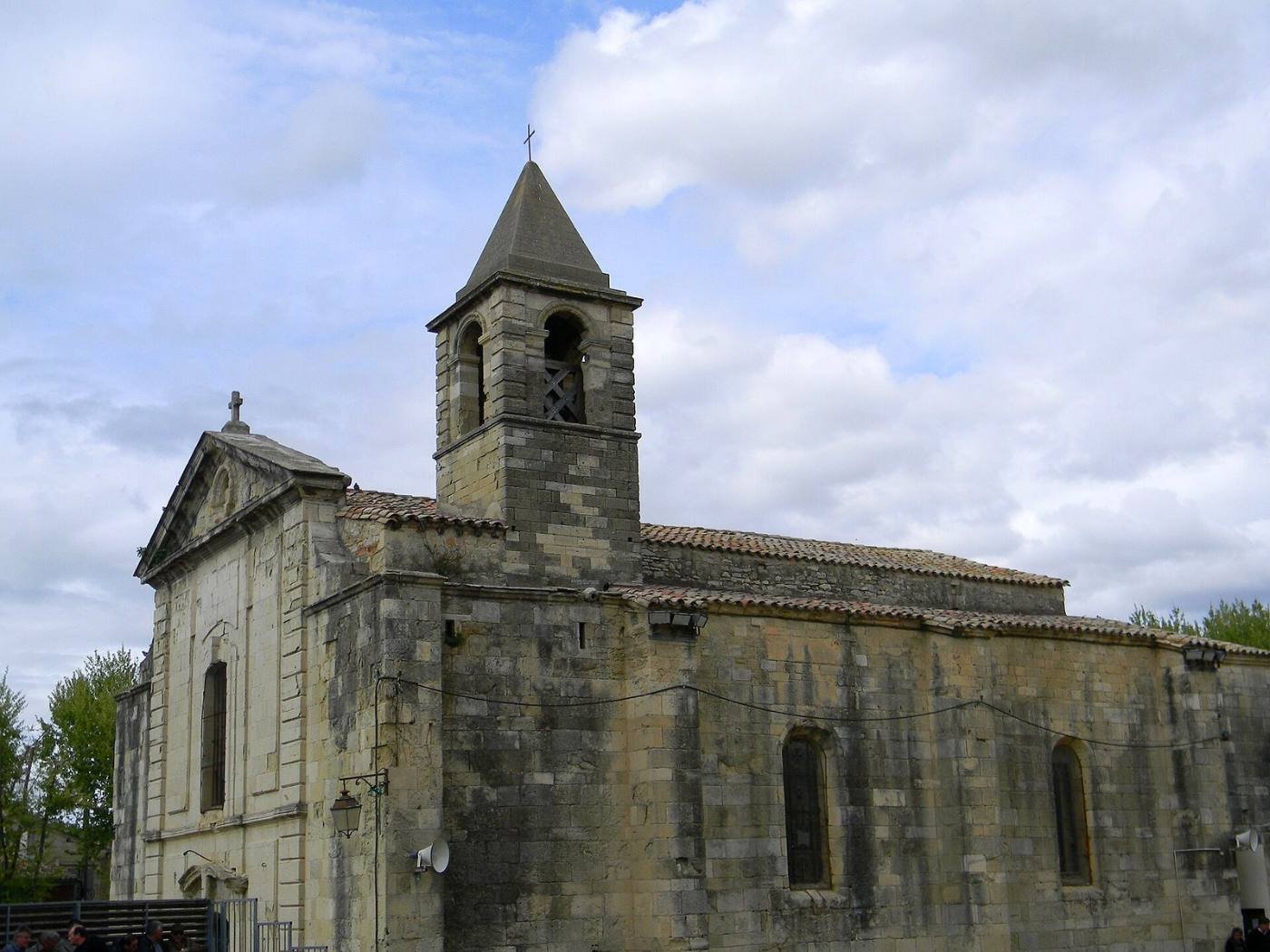
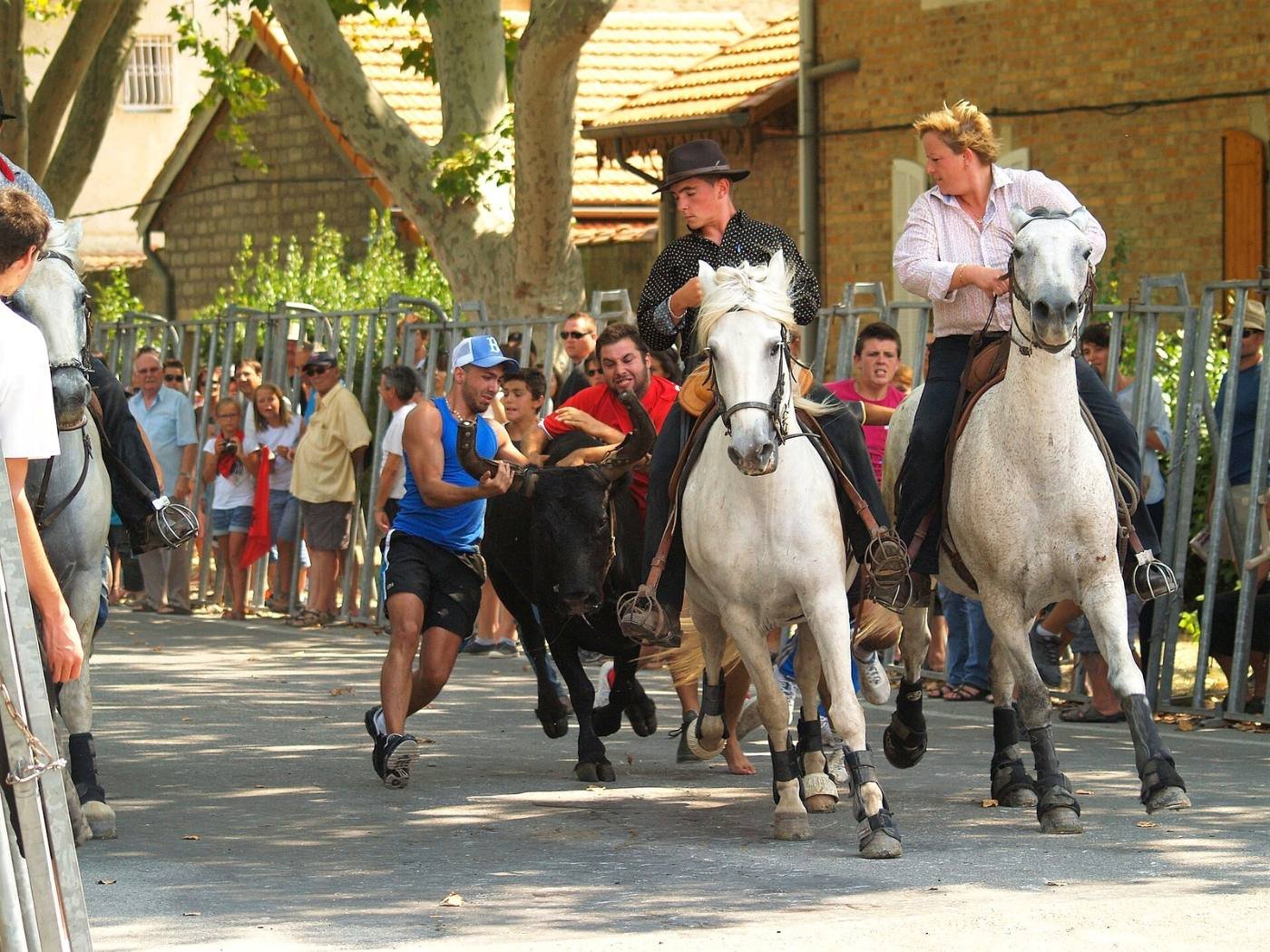
The Tour Carbonnière stands in the commune of Saint-Laurent-d'Aigouze, a typical village of the Petite Camargue. Its heart is built around its arena, set up on the village square, right in front of the church: a rare and very distinctive layout. The village is deeply attached to Camargue traditions. During the village festival in summer, "abrivados", "bandidos" and Camargue races liven up the streets and the arena, in a festive, popular atmosphere. A stop in Saint-Laurent-d'Aigouze is the perfect complement to a visit to the tower.
The landscapes of the Petite Camargue
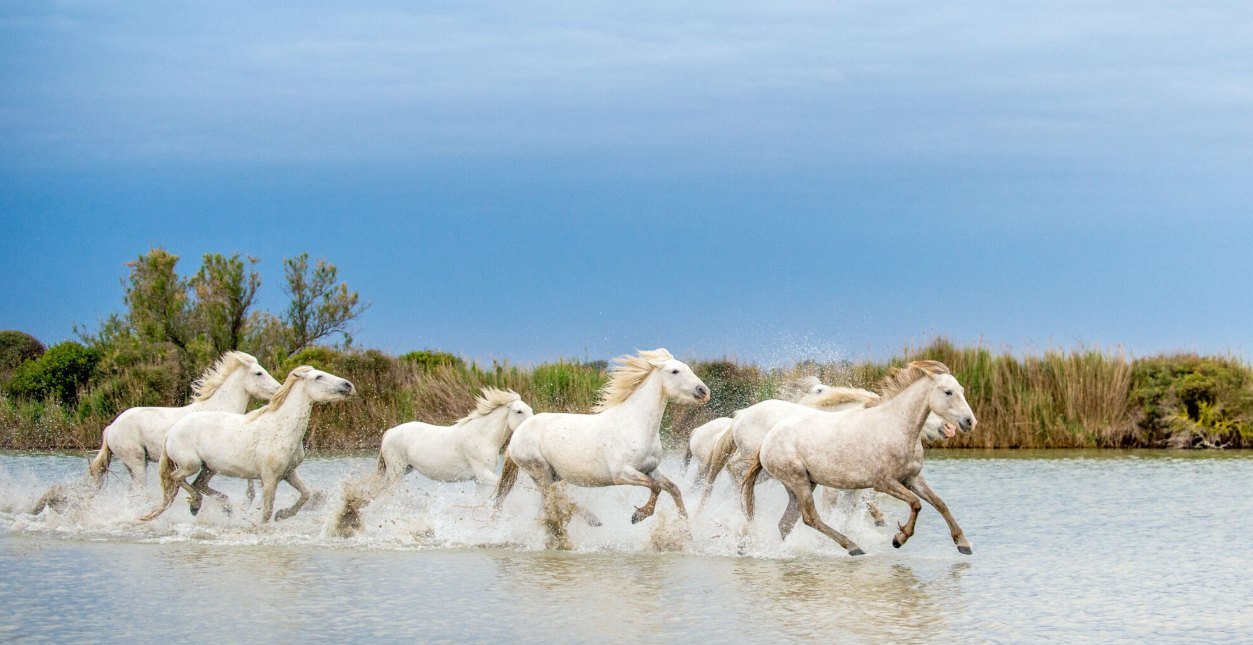
Around the tower, the landscape is typical of the Petite Camargue: marshes, reed beds, lagoons, salt meadows and canals. These wetlands change colour with the seasons: soft green in spring, golden in summer, russet and purple in autumn. You often see the white Camargue horses and the black bulls of the ranches grazing in the meadows. The reeds, once harvested to thatch the roofs of the herdsmen's cabins, sway in the wind. It is a landscape of great beauty, still unspoilt, best discovered early in the morning or in the evening.
Photographing the tower
The Tour Carbonnière is a beautiful subject for photography, especially in the late afternoon, when the golden light warms the stone and the surrounding marshes turn orange. From the top, the view takes in the lagoons and, in the distance, the outline of the ramparts of Aigues-Mortes. For a photo from outside, step back to the side of the road, safely, to include the tower in its landscape of reeds. At sunrise, the mist that sometimes hangs over the marshes gives the site an almost unreal atmosphere.
A visit suitable for children
For children, the Tour Carbonnière is a great introduction to medieval history. Climbing the stairs, walking under the vault, imagining the soldiers guarding the road and the merchants waiting their turn: it all sparks the imagination. The visit is short, which suits younger children well. Just bring good shoes and, in summer, water, a hat and mosquito repellent, as the marshes are very close.
The tower by bike or on horseback
The Petite Camargue is well suited to bike rides, on flat roads and paths through the marshes. Some visitors like to cycle to the Tour Carbonnière from Aigues-Mortes, then carry on to Saint-Laurent-d'Aigouze. Others prefer a horse ride with a local riding centre, discovering the marsh landscapes. If you want to combine these activities without returning to your starting point, your driver can drop you at the start of your ride and pick you up at the end, with or without your bikes depending on the vehicle available: mention it when booking.
A half-day tour of the fortifications
Your driver can offer you a short tour of Saint Louis's fortifications. First stop at the Tour Carbonnière, to discover the town's land gateway. Then on to Aigues-Mortes, to walk round the ramparts along the wall walk and visit the Tour de Constance. A break on Place Saint-Louis, in front of the king's statue, for a coffee or lunch. As an option, a visit to the salt marshes to complete the discovery. This tour is offered as hourly hire, on quotation, and can start from Le Grau-du-Roi, La Grande-Motte, Lunel, Nîmes or Montpellier.
A stop on the way to your holiday
Many holidaymakers drive past the Tour Carbonnière without stopping, on the road to Le Grau-du-Roi and Port-Camargue. That is a shame: a few minutes are enough to discover this monument and enjoy the view over the marshes. If your driver is taking you from Nîmes station, Nîmes-Garons airport or Lunel station to the coast, you can ask him for a short stop at the tower. A lovely way to start your holiday with a little history, before heading to the beach. Simply mention it in the "Notes" box of the booking form.
Why come with a driver
The Tour Carbonnière stands beside a busy road, with limited parking. In summer, stopping and setting off again can be tricky. With your driver, you are dropped at the foot of the tower, he waits for you during your visit, then takes you to your next stop. You enjoy the landscape without worrying about the road, and you can visit several sites in the same day, at your own pace. It is the ideal alternative to a taxi for discovering the Petite Camargue.
A short visit, a beautiful landscape and centuries of history: the Tour Carbonnière deserves a stop on any trip through the Petite Camargue.
Getting there with a driver
The tower is isolated and poorly served by public transport. With a chauffeur at your disposal, you are dropped at the foot of the tower, your driver waits during the visit and then takes you on to Aigues-Mortes, Le Grau-du-Roi or your accommodation. No need to find a space by the road. A practical alternative to taxis for visiting several sites in one day, at an affordable price. Book on WhatsApp.